Should you invest in a specific part of a park, or in the park as a whole?
Investing in a specific part of a resort means that you own one specific unit—for example, one lodge or one home—rather than the entire resort. That difference in ownership determines where your return comes from and what risk you face. In this article, you’ll learn the difference between investing in a single unit and being a co-owner of an entire resort, and how this works at Goldberg Gardens I .
What does it mean to invest in a part of a park?
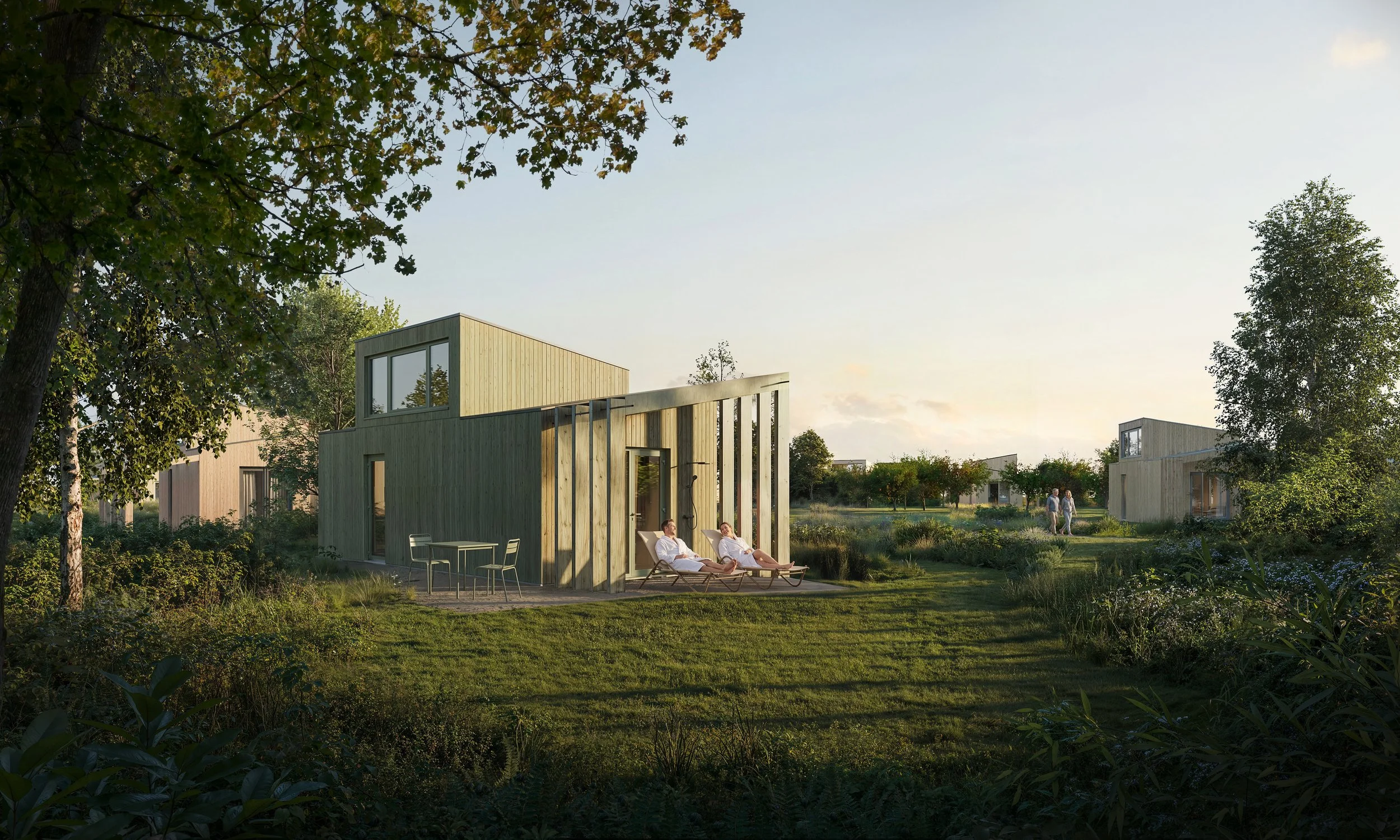
Investing in a specific part of a resort means that you become the owner of a single, defined portion of it, usually a single unit such as a lodge or vacation home. The rest of the resort—such as the other units and the shared amenities—is then owned by other parties.
In that case, your return comes exclusively from renting out that one unit. You are dependent on the occupancy rate and the appreciation of that specific unit, while the appeal of the resort as a whole is largely beyond your control. This is the classic form of direct ownership in a vacation resort: you purchase a single cottage and bear the responsibility and risk for it yourself.
What is the downside of investing in a single asset?
The main drawback of investing in a single unit is concentration risk: your entire return depends on the performance of a single unit at a single location. If occupancy at that unit is lower than expected, it will directly affect your entire return.
In addition, you do not directly benefit from the central amenities that attract guests to the park. The wellness facilities, restaurants, and common areas are often owned by a third party, even though they are key to the park’s appeal. To learn how these amenities drive profitability, read our blog about investing in central facilities.
There is also a drawback when it comes to maintenance. In communities where ownership is divided among many individual homeowners, major maintenance projects often lead to disputes and delays. In the long term, this has a negative impact on property values.
Get involved in Goldberg Gardens I today
Goldberg Gardens I
What does it mean to be a co-owner of an entire park?
Being a co-owner of an entire resort means that, together with other co-owners, you share in the entire property: all accommodations and the central facilities. Your return on investment is then based on the resort’s overall performance, not on a single unit.
With this model, you do not own a specific unit, but rather a share in the entire property. As a result, you benefit from the park’s full value creation, including the amenities that attract guests. At the same time, management of the entire park is centralized, which prevents disputes and delays regarding major maintenance. The difference is significant: it’s not a vacation home, but co-ownership of entire parks.
How is ownership Goldberg Gardens I at Goldberg Gardens I ?
At Goldberg Gardens I , you Goldberg Gardens I a co-owner—on a cost-sharing basis—of two complete eco-resorts, rather than the owner of a single specific unit. You share in all the accommodations and central amenities of both parks.
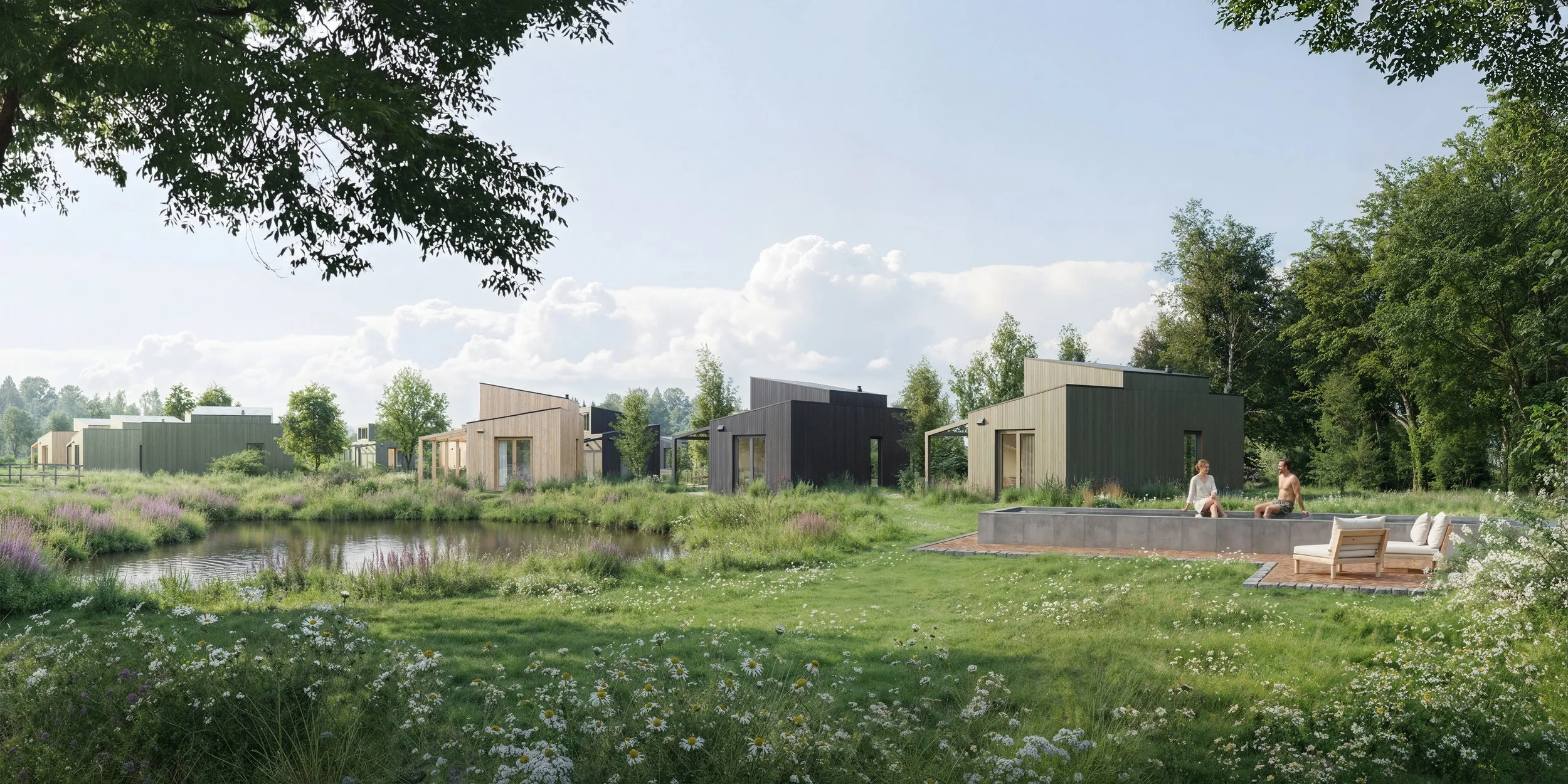
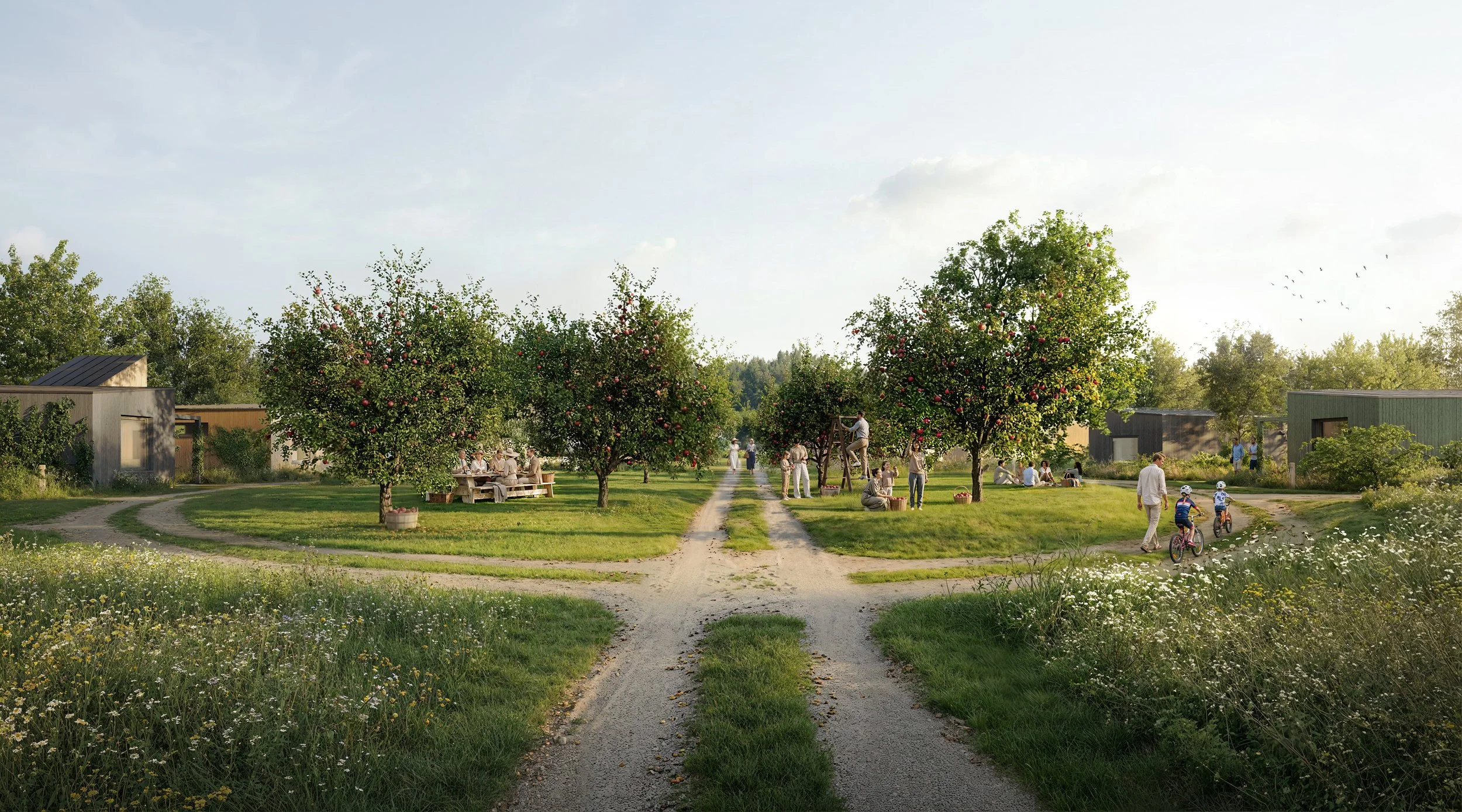
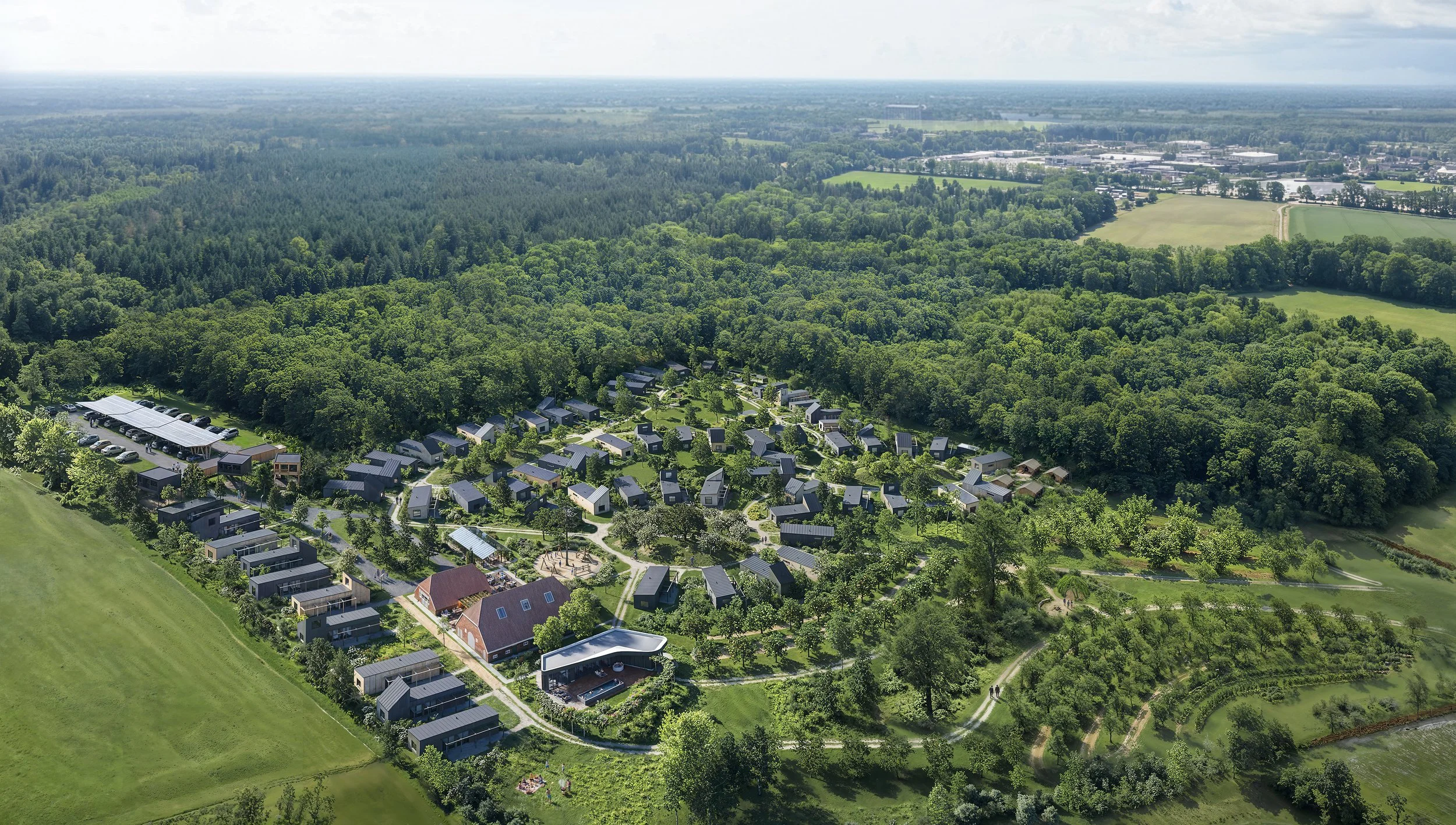
Through a tax-transparent fund, you’ll invest in two parks: Vorden in the Achterhoek region of Gelderland and Bleijenbeek in Limburg. You’ll be a co-owner of all the lodges as well as the amenities, such as the wellness center, restaurants, the central farmhouse, and the food forest. Landal, which operates over 260 parks in 8 countries, handles rentals and day-to-day operations, while Orange Investment Managers is responsible for fund and asset management.
Because you are investing in the entire project rather than in a single component, your investment is spread across two parks in two regions with different target audiences. The ownership and fund structure is described in full in the information memorandum.
What does this mean for your risk and return?
Co-ownership of the entire property spreads your risk, while ownership of a single unit concentrates it. At Goldberg Gardens I , your return Goldberg Gardens I on two complete parks rather than a single unit, which reduces your dependence on a single location. The minimum investment is €100,000, consisting of ten shares of €10,000 each. Would you like to first understand the broader trade-off between direct ownership and fund investing? Read our blog about investing in a vacation home.
Co-owner of two entire parks
Investing in a specific part of a resort means you are dependent on a single unit. Through Goldberg Gardens I , you Goldberg Gardens I a co-owner—for economic purposes—of two complete eco-resorts in Gelderland and Limburg, including all accommodations and amenities, spread across two regions.
Frequently asked questions
-
Investing in a specific part of a resort means that you become the owner of a single, defined unit, usually a single lodge or vacation home. Your return on investment will come exclusively from renting out that one unit, while the rest of the resort and its amenities are owned by other parties.
-
The main drawback is concentration risk: your entire return depends on a single unit at a single location. In addition, you do not benefit directly from the common areas, and shared ownership can lead to disputes and delays regarding major maintenance, which can depress the property’s value in the long term.
-
As a co-owner of an entire resort, you have a share in the entire property: all accommodations and the central facilities. Your return on investment is based on the resort’s overall performance rather than on a single unit, and management is handled by a single entity.
-
No. At Goldberg Gardens I , you Goldberg Gardens I a financial co-owner of two complete eco-resorts, including all the lodges and central facilities. This means you have a stake in the entire operation, spread across two parks in two regions, rather than being dependent on a single component.
Check out our other blogs